The Question Before the Prompt
· 3 minMost people start typing before they know what they want. Here is a five-minute habit that makes every prompt afterward better — and it has almost nothing to do with AI.
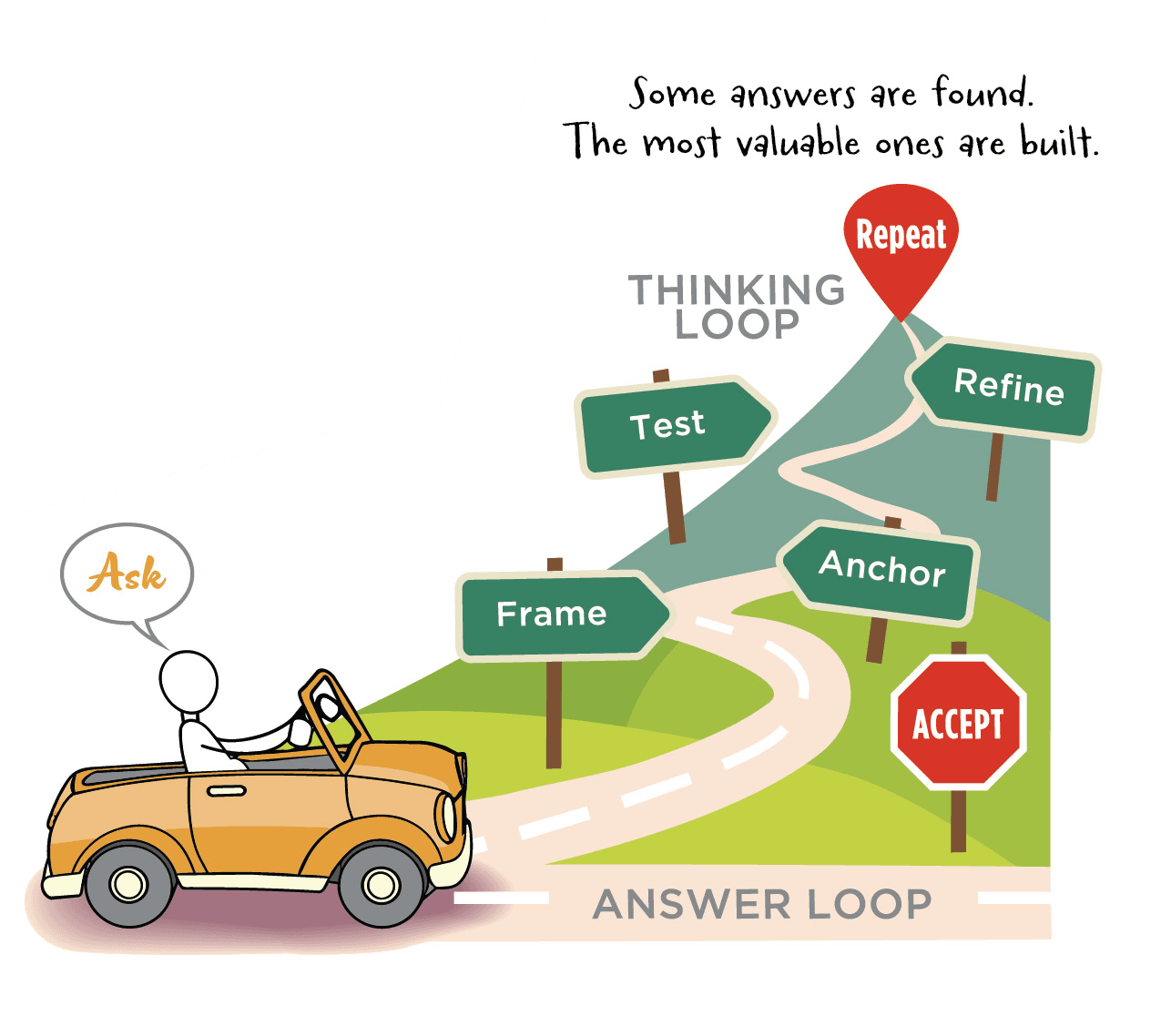
I have now sat beside a few hundred people while they opened a chat window: teachers, analysts, a superintendent, two lawyers, and both of my own kids. Nearly all of them do the same thing. The cursor blinks, they start typing, and within about nine seconds there is a request on the screen. Within forty seconds they are disappointed.
The disappointment is real and it is almost never the model's fault. Whatever went wrong went wrong before the typing. They asked for an output while they were still undecided about what the output was supposed to do.
Five minutes, on paper
So here is the habit I teach first, in every room, before any tool is opened. Take five minutes and a piece of paper — paper, specifically, because the point is to be somewhere you cannot generate — and answer four questions.
- What am I actually trying to change? Not the artifact, the situation. "A memo" is not an answer. "My director stops reopening the vendor decision every Thursday" is.
- Who reads this, and what do they already believe? The most common failure in AI-assisted writing is fluent prose aimed at nobody in particular.
- What do I know that the model cannot? Your constraints, your history, the politics of the room. This is the part you will have to supply, and it is the part that makes the result yours rather than anyone's.
- How will I know it is good? Write the test before you see the work, or the work will quietly become the test.
That is the whole habit. No template, no framework to memorise, nothing to buy. Four questions, five minutes, then type.
Why something this small works
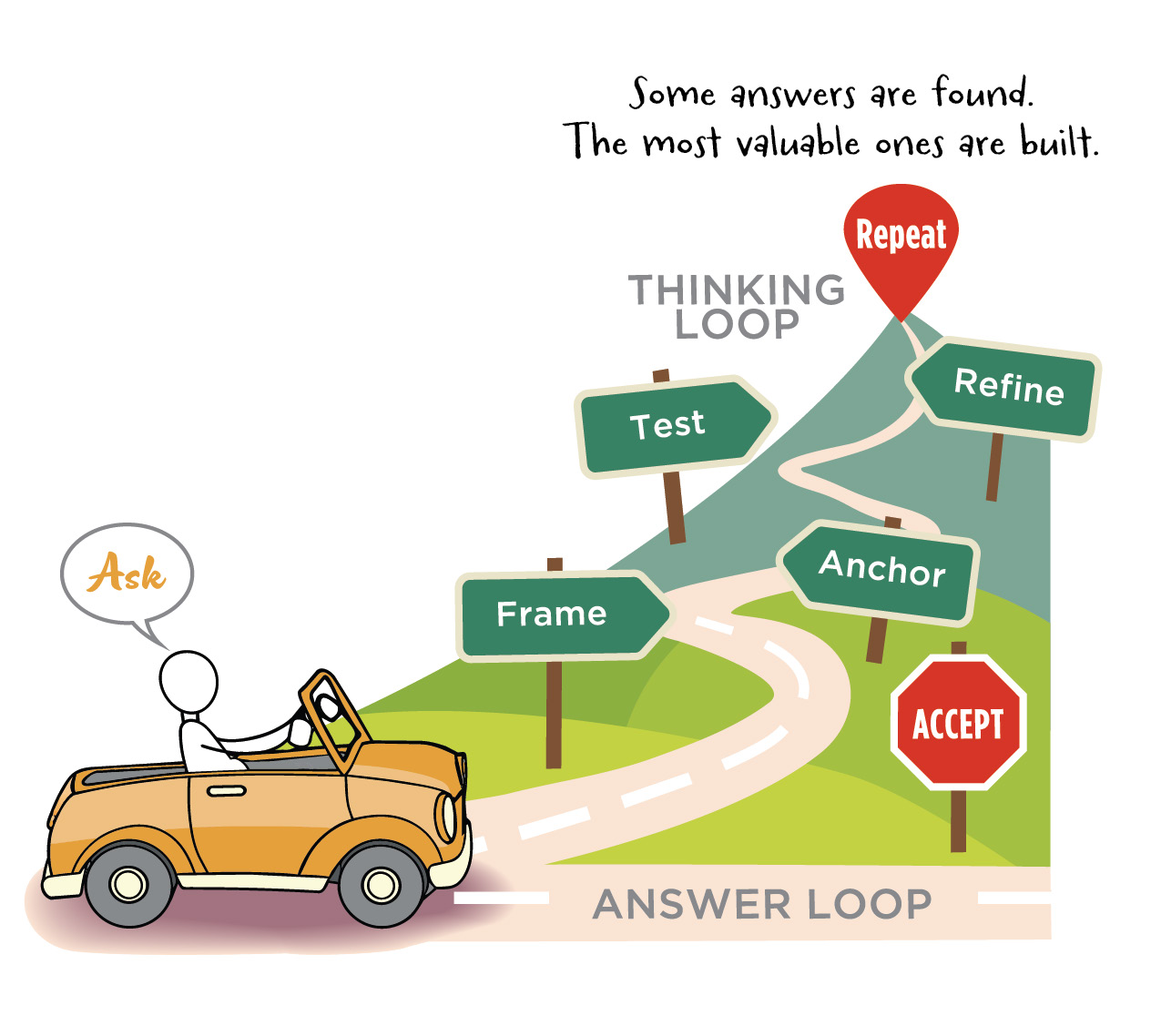
Those four questions are not prompt engineering. They are the ordinary preparation any competent professional does before handing work to a capable stranger, and we have simply stopped doing it because the stranger now answers instantly and never asks for clarification.
A prompt is not a spell. It is a briefing. The quality of a briefing has never depended on vocabulary — it depends on whether the person giving it knows what they want.
There is a second effect I did not anticipate when I started teaching this. People who spend the five minutes are much harder to fool. They arrive at the screen holding a standard, so when the model hands back something confident and hollow, they notice inside a sentence or two. People who skipped it have no standard to compare against, and fluency is extremely persuasive when you have nothing to check it against.
The objection
The objection I hear most often is that five minutes is a lot when the entire promise was speed. I understand the objection. I also time this in workshops, and the five minutes routinely save twenty, because the alternative is four rounds of "not quite, try again" — which is what thinking looks like when you do it in public with a machine watching.
Try it once this week on something that actually matters to you. If the first answer is still wrong, you will at least know why it is wrong, and that is a different and far more useful kind of wrong.